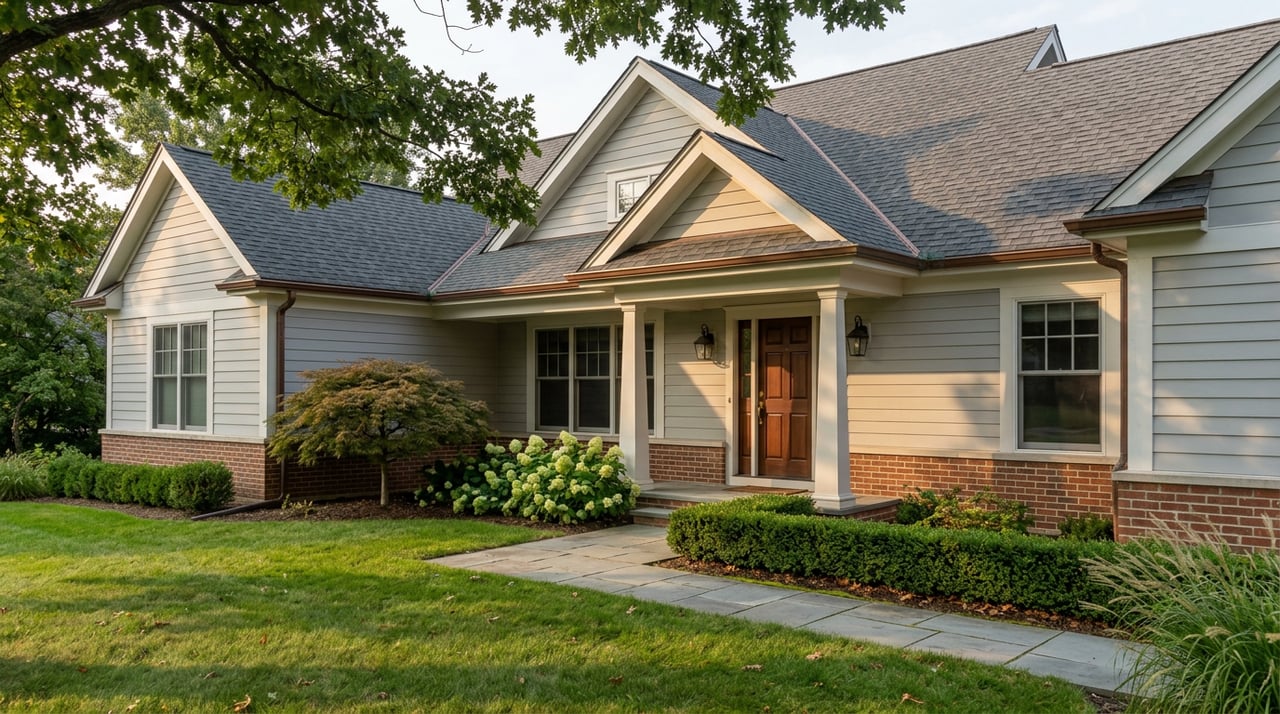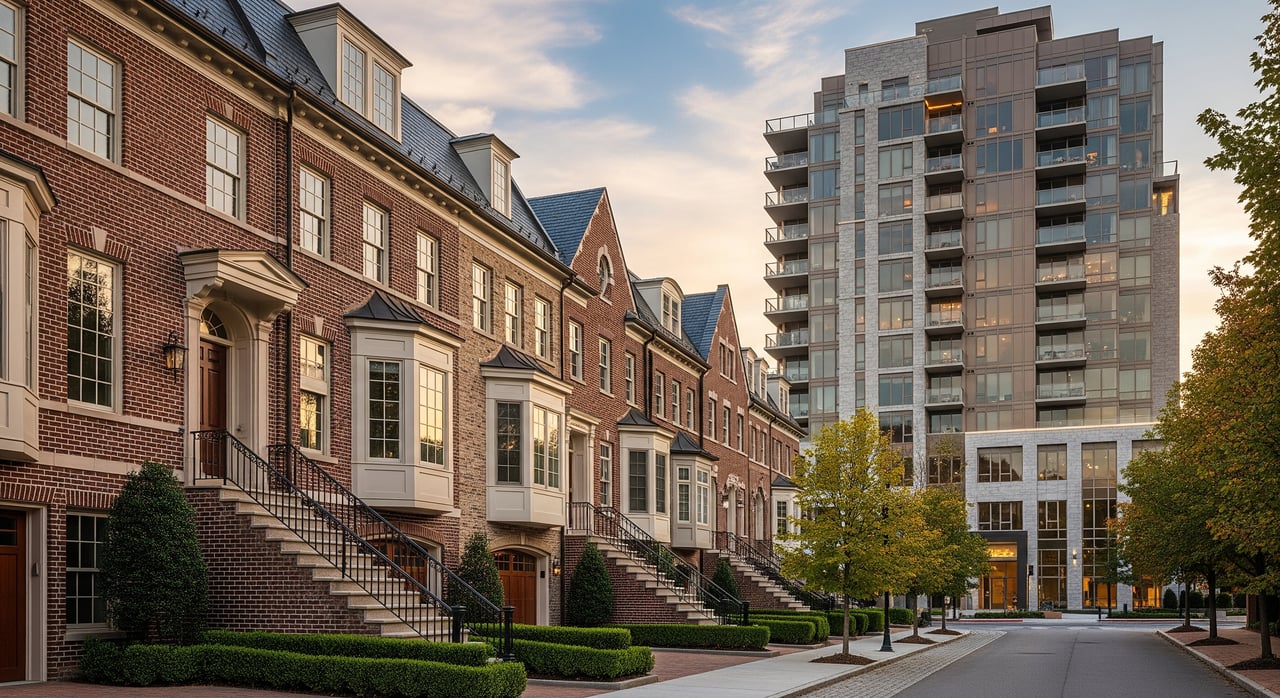
Are you drawn to the lock-and-leave ease of a condo or the space and privacy of a townhome? In North Bethesda, especially around Pike & Rose and the Red Line’s North Bethesda station, that choice shapes your daily life as much as your monthly budget. You want a home that fits how you live, with clear expectations on fees, upkeep, transit, and resale. This guide breaks down the differences so you can choose with confidence, then gives you a simple checklist to use before you make an offer. Let’s dive in.
Condo vs townhome: what you own
Condominiums in Maryland
- You own the interior of your unit and a shared interest in the building’s common areas. Rules and rights are set by the community’s declaration, bylaws, and the Maryland Condominium Act. Review the current statute text for clarity in the Maryland Condominium Act.
- The condo association manages common elements, collects monthly fees, and carries a master insurance policy for the building.
- You carry an HO-6 policy that covers interior finishes and personal property. Confirm how the master policy defines coverage so your policy fills gaps.
- Watch for project-level issues like special assessments, rental caps, and financing eligibility that can affect long-term costs and resale.
Townhomes in Maryland
- You typically own the home and the land beneath it (fee simple), including exterior elements like the roof and yard, unless the HOA states otherwise.
- If there is an HOA, it usually covers limited common areas such as landscaping, private streets, or a shared pool. Monthly fees are often lower than in amenity-rich condos.
- You carry an HO-3 policy that covers the structure, contents, and liability.
- Plan for exterior maintenance and larger capital items over time, such as roof or siding replacement.
What it costs to own here
Purchase price and appreciation
- In many D.C. suburbs, townhomes often command a premium over condos due to land and space. That said, location matters. Condos steps from Pike & Rose or the Metro can be highly competitive.
- Use current listings and recent sales for up-to-date pricing. Transit-oriented nodes can shift quickly.
Monthly HOA or condo fees
- Condos: Fees vary widely by building age and amenity level. Near Pike & Rose, buildings with concierge, gym, and rooftop spaces tend to have higher monthly costs.
- Townhomes: Fees, if any, are often lower and focus on shared spaces. Many fee-simple townhomes have modest dues or none at all.
- Compare line items. Look at what the fee covers, the association’s reserve funding, and any planned capital projects.
Property taxes and assessments
- Montgomery County taxes apply to both property types based on assessed value. Learn how the county calculates taxes on the Montgomery County property tax page.
- In condos, new capital projects can lead to special assessments or future fee increases. Review disclosures and board meeting minutes.
Insurance and utilities
- Condos: You usually pay HO-6 plus your share of the master policy through your dues. Many buildings include some utilities, such as water or trash, in the monthly fee.
- Townhomes: You typically pay all utilities directly and carry an HO-3 policy since you own the structure.
Maintenance and replacement
- Condos: Costs are more predictable month to month, but special assessments can arise if reserves are thin or a major system needs replacement.
- Townhomes: You control the timing of exterior projects, but you also bear the full cost when a roof, driveway, or siding needs work.
Lifestyle near Pike & Rose and Metro
Space and layout
- Condos range from compact one-bedrooms to larger multi-bedroom homes, often with balconies and storage lockers where available.
- Townhomes offer multi-level living, more storage, and private outdoor space. Many include an attached garage.
Amenities
- Condos around Pike & Rose often provide staffed front desks, gyms, lounges, rooftop terraces, secure bike rooms, and retail on the ground floor. Browse the neighborhood’s mix of restaurants and entertainment on the official Pike & Rose site.
- Townhome communities may have playgrounds or a pool, but generally fewer on-site amenities than high-rise buildings.
Transit and walkability
- The Red Line’s North Bethesda station creates a walkable, transit-first lifestyle. See station info and schedules on WMATA’s North Bethesda page.
- If you prioritize commuting by Metro, condo buildings closest to the station are convenient. If you want more bedrooms and a yard, nearby townhome neighborhoods can offer a balance of space and accessibility.
Parking and storage expectations
- Condos: Expect structured garage parking with assigned or deeded spaces. Visitor parking rules vary by building and by municipality.
- Townhomes: Most have a driveway and one or two garage spaces. Street parking may be subject to county or HOA rules.
- Near Metro, secured or reserved parking can be a priority for both types. Confirm details in the listing and association documents.
Financing and resale
Financing differences
- Condos must meet project eligibility criteria for many loan programs. Lenders may review owner-occupancy, reserves, litigation, and insurance. Learn the basics in Fannie Mae’s condo project requirements and check FHA status through HUD’s FHA condominium lookup.
- Townhomes are typically underwritten like single-family homes, which can make financing more straightforward.
- Ask your lender to vet condo project eligibility early so you have clear options.
Resale dynamics
- Condos often move quickly in walkable areas near Metro and retail, but buyers watch fee levels and building condition.
- Townhomes tend to draw buyers who want more space, private parking, and outdoor areas. Appreciation can reflect land value and neighborhood stability.
Development and long-term value
- North Bethesda continues to evolve with redevelopment and added density around Pike & Rose and the Metro station. That can increase supply of condos while also enhancing amenities and walkability.
- For nearby activity that could affect traffic, parking, or retail options, explore the Planning Department’s development pipeline.
Who tends to choose what
- Relocation buyer who values a quick commute and simplicity: A condo near the station or Pike & Rose often fits. Watch parking availability and building fees.
- Move-up buyer needing space and a yard: A townhome in a nearby neighborhood offers more bedrooms, storage, and private outdoor areas.
- Downsizer seeking low maintenance and social amenities: A condo with concierge, gym, and gathering spaces can be ideal. Always evaluate reserve health.
- Investor: Review rental caps and short-term rental rules. Weigh expected rent against HOA fees and building policies.
Due diligence checklist before you write an offer
Association and legal documents
- Current budget and financials, plus the most recent reserve study and contribution history
- Board meeting minutes for the last 12 to 24 months
- List of special assessments, past or pending
- Declaration, bylaws, and rules or regulations. For condos, compare rules against the Maryland Condominium Act.
- Master insurance declarations and owner deductible exposure
- Rental restrictions and current occupancy ratios
- Any active or recent litigation disclosures
Property details to confirm
- Parking: assigned or deeded spaces, guest parking rules, and related fees
- Storage: lockers, cages, attic space, or sheds where applicable
- Pet policies, including breed or weight limits
- EV charging availability, installation policies, and cost-sharing
- Building condition and major systems, such as elevators, HVAC, roof, and façades
Financing and monthly costs
- Ask your lender about project approval for FHA, VA, Fannie Mae, or Freddie Mac loans if buying a condo
- Estimate your monthly total: mortgage, taxes, dues, and typical utilities
Neighborhood planning and schools
- Check planned development or transportation updates via the County’s development pipeline
- If schools matter to you, confirm assignments on the MCPS boundary information page and verify directly with MCPS
Negotiation levers
- For condos with thin reserves or upcoming capital projects, consider seeking credits
- For townhomes, negotiate based on inspection findings for roof, exterior, and structure
How to decide: quick self-assessment
Ask yourself:
- Do I want to trade some private space for immediate access to Metro, dining, and services?
- How much predictability do I want in monthly costs versus occasional larger out-of-pocket repairs?
- Will an on-site gym, concierge, and rooftop be used often enough to justify higher dues?
- Is a private garage, extra storage, or a small yard essential to my daily routine?
- Could project-level issues, like a rental cap or pending façade work, affect my timeline or budget?
When you match these answers to the ownership and cost differences above, your best fit usually becomes clear.
Ready for a grounded, local perspective tailored to your move? Reach out to Betsy Schuman Dodek for calm, concierge guidance on condos and townhomes in North Bethesda.
FAQs
What do condo fees typically include in North Bethesda?
- Most cover exterior maintenance, common-area utilities, amenities such as a gym or pool, trash, snow removal, building insurance, and reserve contributions. Review the building’s budget to confirm specifics.
Who handles roof and exterior repairs in condos vs townhomes?
- In condos, the association manages common elements such as the roof and exterior. In townhomes, owners are typically responsible unless the HOA covers certain items in its governing documents.
How does condo financing differ from townhome financing?
- Condos must meet project criteria for many loan programs. Townhomes are usually underwritten like single-family homes, which tends to be simpler. Have your lender review condo project eligibility early.
Are condos or townhomes the better long-term investment in North Bethesda?
- It depends on location, fees, building health, and development trends. Townhomes often reflect land value, while well-located condos near Metro can offer strong demand and liquidity.
What parking should I expect near Pike & Rose and the Metro?
- Condos often provide assigned or deeded garage spaces with specific guest policies. Townhomes typically include a driveway and garage. Always confirm parking rights in the deed and association rules.
How can I verify schools and future development near a property?
- Use MCPS boundary information to confirm school assignments and the County’s development pipeline to monitor nearby projects.