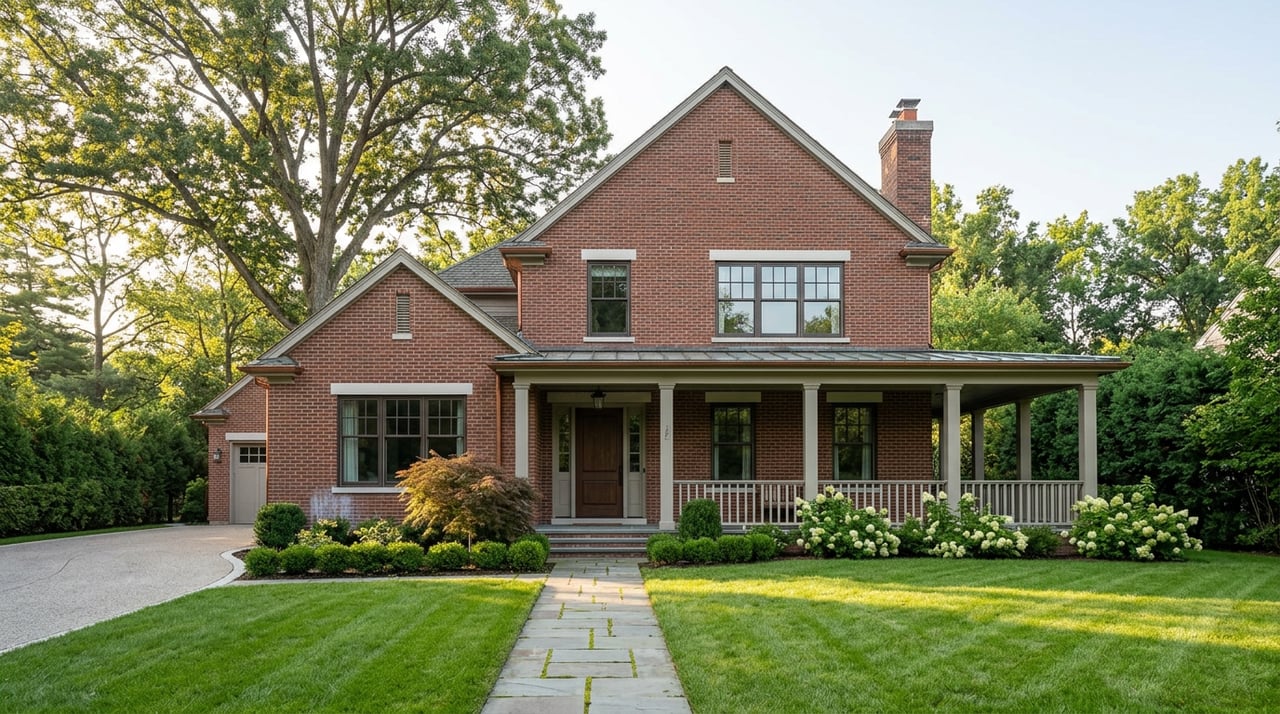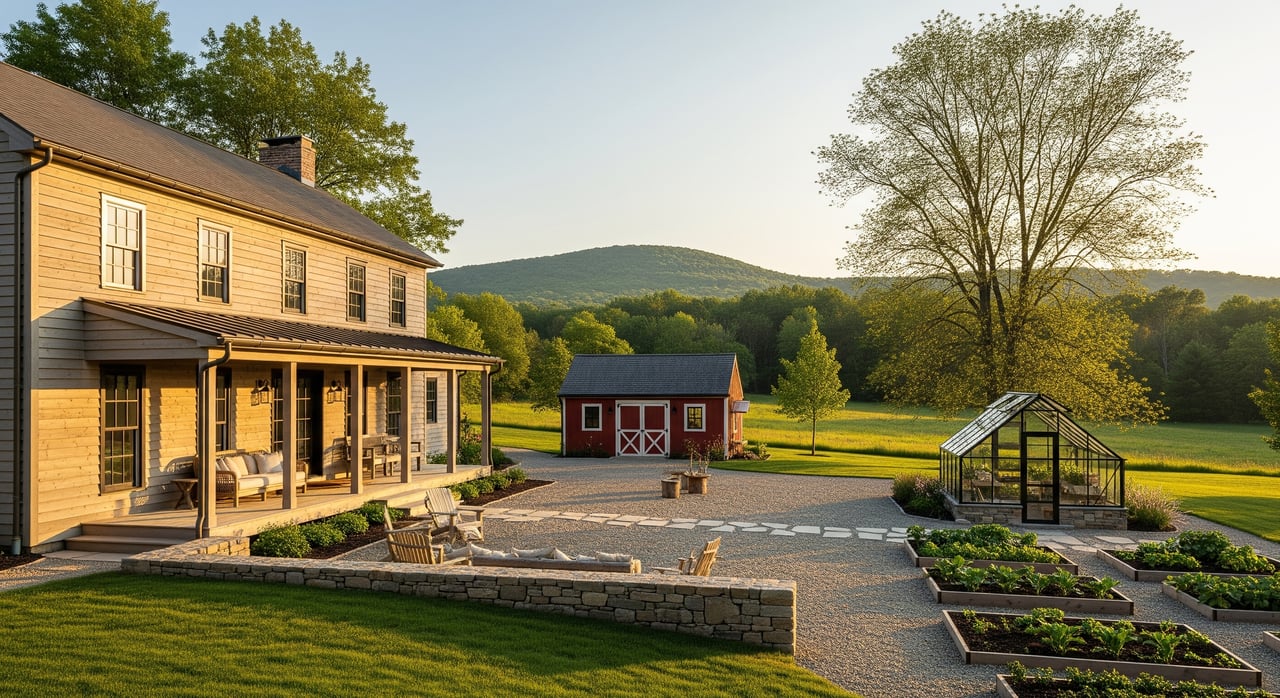
Thinking about a home with room to breathe, a big garden, and maybe a few animals? In Washington County, many buyers look for a “farmette” to blend a relaxed rural lifestyle with manageable upkeep. If you want space without taking on a full commercial farm, you are in the right place.
In this guide, you will learn what a farmette is, how it compares to a larger farm, common features you will find in Washington County, and what to consider before you buy. You will also get a clear due diligence checklist and tips to protect resale value. Let’s dive in.
What a farmette means
A farmette, sometimes called a hobby farm or small‑acreage property, is a residential home with enough land for small‑scale agriculture or animals, but not a full commercial operation. You might keep a few chickens, maintain a vegetable garden, plant a small orchard, keep bees, or board a couple of horses. The lifestyle comes first, and production is modest.
Typical acreage ranges:
- 0.5–2 acres: Suited to large gardens, a few chickens, and limited outbuildings.
- 2–10 acres: The most common range for hobby farms; room for a small barn or run‑in shed, fenced pasture, and a small orchard.
- 10–20 acres: Upper end of a farmette, with multiple paddocks or larger outbuildings; above about 20–30 acres, properties are often viewed as small farms.
These ranges are guidelines. Usable acreage, drainage, zoning, and terrain matter more than a number on paper.
Farmette vs. full farm
- Production scale: Farmettes focus on lifestyle and small production. Larger farms aim for continuous commercial output.
- Infrastructure: Farmettes often have modest outbuildings and domestic utilities like private well and septic. Larger farms may include big barns, silos, commercial services, and specialized equipment.
- Labor: Farmettes are usually owner‑managed with occasional help. Commercial farms rely on full‑time farm labor or contractors.
- Regulations: All properties must follow local zoning and health rules. Larger commercial operations may have added permit requirements that do not usually apply to hobby farms.
Washington County basics
Washington County blends small towns, like Hagerstown, with extensive rural land. You will find small‑acreage and horse properties throughout the agricultural valleys and open countryside. Many buyers choose the county for lower land costs compared with closer‑in DC suburbs, while keeping access to regional highways and services in Hagerstown.
The county’s Mid‑Atlantic climate brings cold winters and warm, humid summers. Local plant hardiness generally aligns with USDA zones 6a–6b, but check the exact zone by address. Soil and topography vary widely. Flat valley soils often support better pasture and gardens than steep, wooded ridges. Drainage and soil quality will influence where you place pastures, gardens, and even your septic system.
Common property features include:
- Small barns or pole barns, run‑in sheds for horses, and fenced paddocks.
- Riding areas, trails, or open fields for recreation.
- Vegetable gardens, small orchards, and sometimes ponds used for livestock, wildlife, or aesthetics.
- Utilities that often include private wells and septic systems, especially away from town; some parcels closer to town may have public water and sewer.
Is a farmette right for you?
Ask yourself a few quick questions:
- Time: Can you commit daily and weekly time for feeding, watering, and seasonal chores like mowing, winterizing, and fence checks?
- Animals: Do you want chickens or small animals, or are you planning for horses or livestock that need daily turnout and care?
- Budget: Are you prepared for recurring costs like feed, bedding, utilities, vet and farrier services, plus fuel and repairs?
- Equipment: Will you need a compact tractor or ATV, and do you have storage space for tools and hay?
- Lifestyle fit: Do you enjoy hands‑on maintenance and outdoor projects, or would a lower‑maintenance lot be a better match?
If this sounds appealing, a farmette can offer a rewarding routine and a satisfying sense of space.
What you will maintain
Even small operations need steady attention. Expect:
- Daily/weekly: Feed and water animals, remove manure, and check fences and gates.
- Monthly/seasonal: Mow pastures, manage weeds and pests, inspect and repair fences, and service equipment.
- Multi‑year: Inspect and pump septic regularly, typically every 3–5 years, and keep well systems tested and maintained. Plan for roof and outbuilding repairs and periodic gate or fence replacements.
If you are keeping animals, pasture quality, shade, and reliable water access matter. The University of Maryland Extension offers locally applicable guidance on small farms, pasture care, and horse property management. Good information will save you time, money, and frustration.
What to look for on tours
Fences and layout
Walk the fence lines. Look for sturdy materials, secure gates, and a logical layout of paddocks and turnout areas. Note any sagging sections, rotted posts, or mismatched materials that suggest frequent repairs.
Barns and outbuildings
Check roofs, siding, drainage around foundations, and ventilation. Ensure there is safe, dry storage for hay, bedding, and equipment. Well‑designed stalls and a functional tack or feed room simplify daily routines.
Water, well, and septic
Reliable water is essential for animals and gardens. Ask about well depth, pump age, water quality tests, and treatment systems. For septic, ask for inspection and pumping records. Systems in good condition with clear documentation offer peace of mind and help resale.
Driveways and access
Make sure delivery trucks can reach the property and turn around. In winter, consider plowing and maintenance responsibilities. If the road is private, clarify who maintains it and how costs are shared.
Due diligence checklist
Before you make an offer, gather answers to the essentials:
- Property and legal: Confirm parcel boundaries and any recorded easements or rights‑of‑way. Review zoning and permitted uses, especially for animal types, home businesses, or accessory structures. Check for deed restrictions, HOA covenants, or conservation easements that affect use.
- Utilities: Verify well location and yield, water quality test results, and pump age. Learn the septic system type, age, and capacity for future additions. Note electric service details and any generator needs.
- Access: Determine if the road is public or private and who handles plowing and repairs.
- Soils and environment: Review floodplain mapping, wetlands, steep slopes, and rock outcrops. If you plan a new septic or garden, consider perc tests and soil tests.
- Agricultural use: Ask if land is leased for hay or crops and whether any tenant agreements will transfer.
- Operations and vendors: Ask about fencing age and materials, outbuilding repair history, typical hay usage and costs, and availability of local vets, farriers, feed suppliers, and equipment dealers.
- Recommended inspections: Private well water test, septic inspection by a licensed professional, structural review of barns/outbuildings, boundary survey if lines are unclear, and soil testing for gardens or orchards.
Common property examples
- 1–2 acres, garden and poultry: Large fenced garden, a few raised beds, a small coop, and a detached garage or shed. Maintenance is lighter, and daily chores are short.
- About 5 acres, two horses: A compact barn with two or three stalls, a run‑in shed, divided paddocks with rotational grazing, and a small riding area. Expect daily turnout, feeding, and regular fence work.
- 10–12 acres, mixed use: A pole barn for equipment, several fenced pastures, a small orchard, and trails or open fields. You can scale up gardens or animals, but you will also have more mowing and seasonal upkeep.
Resale factors in Washington County
Attributes that tend to help resale:
- Usable, well‑drained acreage with solid fencing and a clear paddock layout.
- Reliable well and functional septic with documented maintenance.
- Well‑built, well‑maintained outbuildings with practical storage and stall design.
- Good road access and proximity to services in Hagerstown while retaining rural character.
- Tidy pasture management and minimal deferred maintenance.
- Clear title with no unresolved easements or unusual encumbrances.
- Lifestyle features that photograph well, like riding amenities, a fenced garden, views, and privacy.
Factors that can narrow your buyer pool:
- Poor drainage, frequent flooding, or location in FEMA flood zones.
- Parcels where much of the acreage is steep, rocky, or otherwise hard to use.
- Unpermitted structures or neglected well/septic systems.
- Close proximity to heavy commercial or industrial sites with noise or dust.
- Restrictions or easements that limit common farmette uses.
Local resources to know
- Washington County Planning and Zoning for zoning maps, permitted uses, and site rules.
- Washington County Health Department for private well and septic guidance.
- University of Maryland Extension, Washington County office, for small farm, pasture, and horse property resources.
- Maryland Department of Agriculture for statewide programs and information.
- Maryland Agricultural Land Preservation Foundation for conservation easements.
- USDA National Agricultural Statistics Service for county profiles and Census of Agriculture.
- USDA Natural Resources Conservation Service for soil surveys and conservation practices.
- Washington County Soil Conservation District for technical assistance on erosion control and pasture improvements.
- Hagerstown/Washington County Association of Realtors or local MLS for current small‑acreage market trends.
Ready to explore Washington County farmettes?
If a small‑acreage lifestyle is calling, a clear plan and the right guidance will make your search more efficient and your purchase more secure. We can help you match your wish list to the right land, layout, and infrastructure, then navigate inspections and negotiations with confidence. Connect with Betsy Schuman Dodek to start a tailored, low‑pressure conversation about your next move.
FAQs
What is a farmette in Washington County?
- A farmette is a home on small acreage for hobby‑scale agriculture or animals, focused on lifestyle rather than full commercial farming.
How many acres do I need for a hobby farm?
- Many buyers find 2–10 acres works well for small barns, gardens, and limited livestock; usable land, drainage, and zoning matter more than the raw acre count.
Can farmettes have public water or sewer in Washington County?
- Many rural properties use private wells and septic systems, while parcels closer to town may have public water and sewer; verify by address with county offices.
What equipment do I need for basic upkeep?
- A compact utility tractor or ATV for mowing and light field work, along with hand tools and dry storage, covers most hobby‑scale needs.
How often should I pump a septic system?
- A typical recommendation is inspection and regular pumping every 3–5 years, with frequency based on household size and system use.
Are there special rules for keeping animals on a farmette?
- Yes, animal types, setbacks, and accessory structures are regulated by zoning; check with Washington County Planning and Zoning for your specific parcel.
What should I check before making an offer on a farmette?
- Confirm boundaries and easements, zoning and permitted uses, well yield and water quality, septic type and records, access and road maintenance, and the condition of fences and outbuildings.
What affects resale value for small‑acreage homes?
- Usable, well‑drained land, solid fencing, reliable well and septic with records, well‑maintained outbuildings, and minimal deferred maintenance tend to support stronger resale.