If your Chevy Chase home feels like more space and upkeep than you want, you are not alone. Many local homeowners reach a point where the goal shifts from having more square footage to having less maintenance, easier daily living, and a home that better fits the next chapter. The good news is that downsizing in this area is not one single path. You have several strong options, each with different tradeoffs in privacy, convenience, and monthly costs. Let’s dive in.
Why Chevy Chase Downsizing Looks Different
Downsizing in Chevy Chase often means choosing where you want to land on a spectrum. On one end, you stay in the detached-home feel of Chevy Chase with less space. On the other, you move toward a more managed lifestyle in Bethesda, Silver Spring, or Rockville.
That distinction matters because even a smaller home in Chevy Chase still comes with homeowner responsibilities. The Town of Chevy Chase provides services like trash and recycling, leaf collection, street and sidewalk repairs, and street snow removal, but homeowners still handle private walkways and driveways. In other words, a smaller house may reduce your workload, but it does not create condo-style simplicity.
Smaller Detached Homes in Chevy Chase
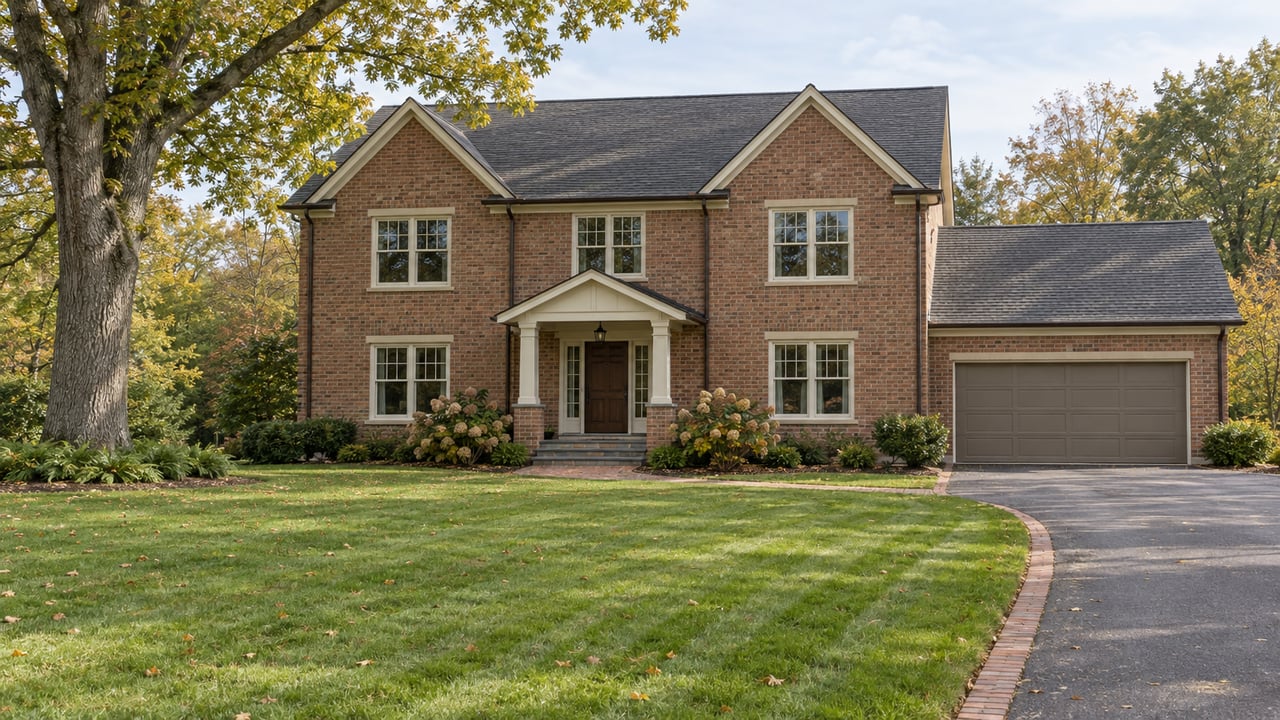
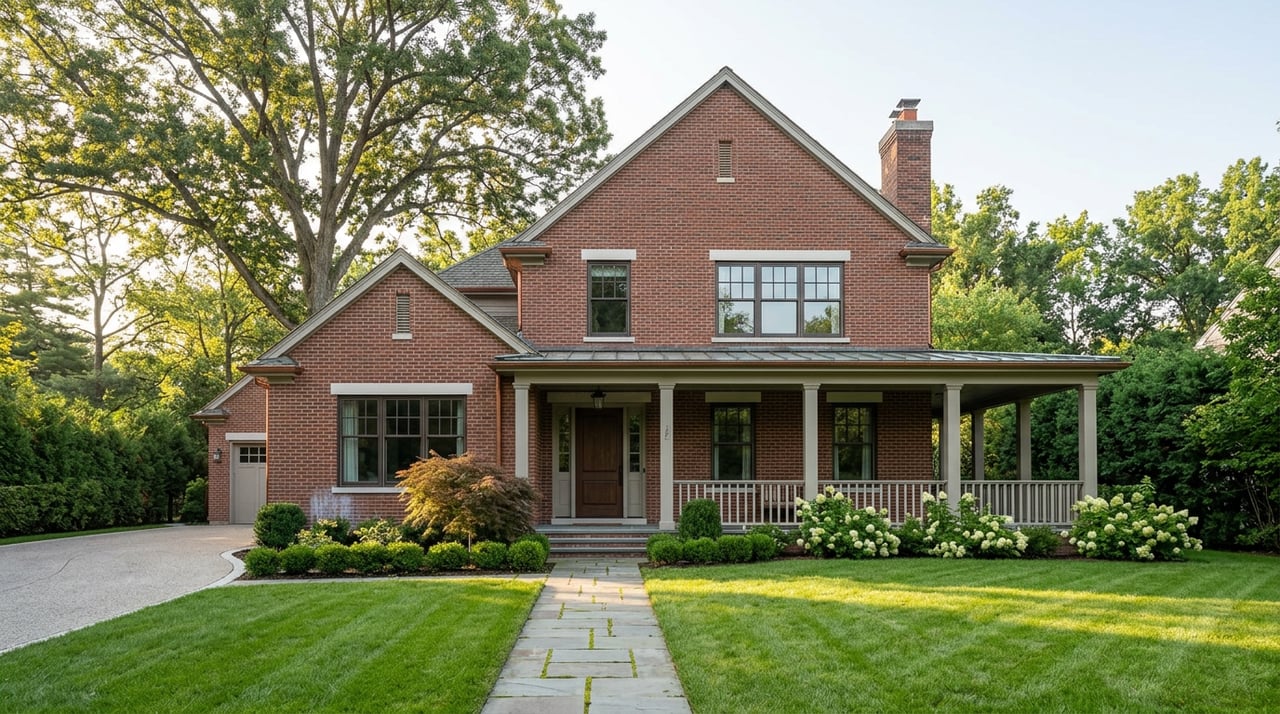
For many longtime owners, the easiest emotional transition is staying in a detached home. You keep the privacy, yard, and familiar feel of the neighborhood fabric, while giving up some square footage and, potentially, some upkeep.
This option often appeals if you want continuity more than change. Chevy Chase Village describes itself as a historic community of 720 homes on just under half a square mile, with tree-lined streets, brick sidewalks, open parks, and walking-distance access to public transportation, shopping, restaurants, and theaters. That makes the smaller-house path especially appealing if you want to remain close to the lifestyle you already know.
Still, it helps to go in with clear expectations. The town manages roughly ten miles of streets and twenty miles of sidewalks and performs street and sidewalk repairs each year, but sidewalk snow removal support applies only when snow reaches 6 inches or more. You remain responsible for your own private paths and driveway, so this route offers familiarity, not the lightest maintenance load.
Best fit for smaller detached homes
A smaller detached home may fit you best if you want to:
- Stay in a traditional home setting
- Keep more privacy and control
- Remain in the Chevy Chase area
- Reduce space without fully changing your ownership style
Townhomes Offer a Middle Ground
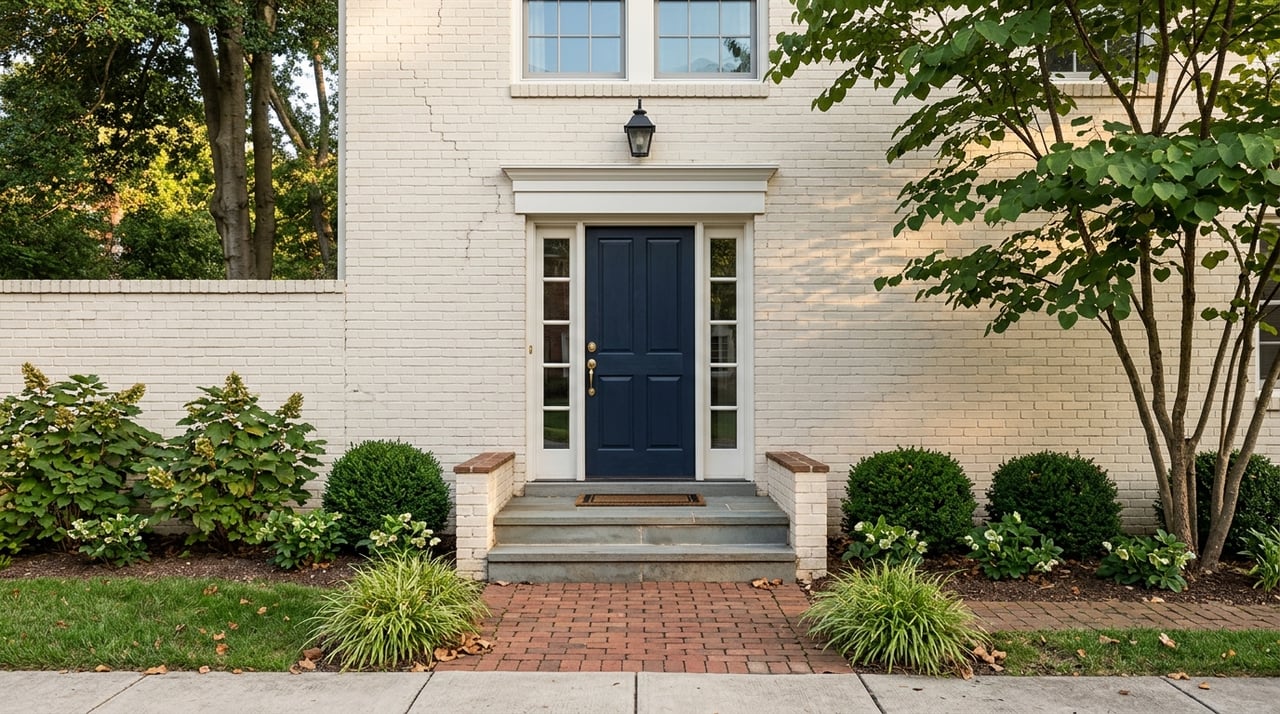
If you want less exterior work but do not want to jump straight to condo living, townhomes and other attached homes can be a practical middle step. They often give you a better balance between independence and convenience.
In Montgomery County, HOAs, condominiums, and co-ops are treated as common ownership communities. County guidance explains that assessments typically help cover maintenance and repair of buildings and common elements, parking lots, elevators, management services, insurance, utilities, and reserves. For you, that usually means less private exterior maintenance than a detached home, but more attention to fees and association health.
This is where due diligence becomes especially important. Before buying in a common ownership community, county guidance says buyers have the right to review governing documents, financial condition, assessments and fees, and rules and regulations. If you are downsizing for simplicity, you want to make sure the community’s structure actually supports that goal.
Why townhomes can make sense
Townhomes often work well if you want:
- Less exterior upkeep than a detached home
- More autonomy than a condo may offer
- A walkable setting near shops, dining, or transit
- A manageable home size without giving up too much privacy
Condos Cut Maintenance the Most
If your top goal is reducing day-to-day home responsibility, condos are usually the clearest answer. This is the most maintenance-light path in the local downsizing menu.
Part of that simplicity comes from how responsibilities are shared. Maryland’s Insurance Administration says condominium associations must carry a master policy, and that cost is a common expense of the association. Unit owners typically need their own insurance for contents, liability, improvements, and loss-assessment coverage.
That setup feels very different from owning a detached home. Instead of handling many building-related responsibilities on your own, you are sharing common-element costs through dues and relying on the association’s structure. The tradeoff is that your monthly housing cost may include significant fees in addition to your mortgage.
The Consumer Financial Protection Bureau notes that condo and HOA dues are usually paid separately from the mortgage and can range from a few hundred dollars to more than $1,000 per month. Montgomery County also notes that assessments are intended to cover operating expenses plus reserves, and unpaid assessments can lead to late fees and other collection steps. That makes fee history and reserve planning key parts of your review.
Best fit for condos
A condo may fit you best if you want to:
- Minimize exterior and common-area maintenance
- Simplify daily home responsibilities
- Prioritize lock-and-leave convenience
- Trade more control for easier upkeep
Where Walkability Is Strongest
Many Chevy Chase homeowners are not just downsizing square footage. They are also trying to improve daily convenience. If that sounds like you, the strongest walkable and transit-supported options nearby are generally Bethesda, Silver Spring, and Rockville.
Downtown Bethesda can be crossed on foot in about 20 minutes and is organized around Bethesda Metro and the free Circulator. Silver Spring station connects to the Paul S. Sarbanes Transit Center and sits steps from the central arts district. Rockville Town Center offers businesses and restaurants within walking distance or adjoining the property, and Rockville Metro is near Town Center with connections to MARC and Amtrak.
These areas tend to be most appealing if your ideal downsizing move includes easier errands, dining, and access to transit. If you want the best balance of convenience and autonomy, townhomes near these hubs are often especially compelling. If you want the least maintenance of all, condos in these same areas may be worth a close look.
Understanding Monthly Costs Beyond the Mortgage
One of the biggest mindset shifts in downsizing is that a lower purchase price does not always mean a lower monthly cost. This is especially true when moving from a detached home into a townhome or condo community.
With attached homes and condos, monthly assessments may help pay for building maintenance, insurance, utilities, reserves, parking areas, elevators, and management services. Those costs are separate from your mortgage and can materially affect affordability. A home that looks simpler on paper can feel less simple if the fee structure is not well understood.
That does not make attached living a poor choice. It simply means you should compare homes based on total monthly outlay, not just list price or mortgage payment. In many cases, buyers are happy to pay for predictability and reduced upkeep, but it should be a deliberate choice.
A Simple Way to Compare Your Options
If you are weighing several paths, this quick comparison can help:
| Option | Maintenance Level | Lifestyle Tradeoff | Best For |
|---|---|---|---|
| Smaller detached home | Moderate | Keep more control, keep more responsibilities | Owners who want continuity in Chevy Chase |
| Townhome or attached home | Lower than detached | Balance privacy with shared costs and rules | Owners seeking convenience without full condo living |
| Condo | Lowest | Less maintenance, more shared structure and monthly fees | Owners focused on simplicity and ease |
What to Review Before You Buy
No matter which path you consider, good downsizing decisions usually come from careful review before you commit. This matters most in townhomes, condos, and other common ownership communities.
Montgomery County guidance says buyers should review:
- Governing documents
- Financial condition of the association
- Assessments and fees
- Rules and regulations
- Reserve planning
These documents can tell you a great deal about how a community operates and whether future costs may be stable or rising. They also help you understand what is included, what is restricted, and how much flexibility you will have once you move in.
Choosing the Right Downsizing Path
The best Chevy Chase downsizing move depends on what you want to keep and what you are ready to let go of. If continuity matters most, a smaller detached home may feel right. If you want a middle ground, a townhome may offer the best mix of convenience and autonomy. If your goal is the least maintenance possible, a condo is usually the clearest choice.
The important thing is to treat downsizing as a menu, not a single decision. When you match the home type to your real priorities, whether that is walkability, privacy, ease, or predictable upkeep, the next move tends to feel much more confident.
If you are thinking about selling a longtime home and exploring your next step, Betsy Schuman Dodek can help you evaluate your options with local insight, a thoughtful plan, and hands-on guidance tailored to your goals.
FAQs
What is the lowest-maintenance downsizing option near Chevy Chase?
- Condos generally offer the lowest-maintenance option because common-element expenses are shared through the association, and condominium associations must carry a master insurance policy.
What downsizing option feels most like staying in Chevy Chase?
- A smaller detached home usually offers the most continuity because you keep a detached-home setting while reducing square footage.
What Chevy Chase area locations offer the best walkability for downsizers?
- Bethesda, Silver Spring, and Rockville offer the clearest walkable, transit-supported settings in this corridor.
What monthly costs should downsizers expect beyond a mortgage?
- HOA or condo fees are often paid separately from the mortgage and may cover maintenance, insurance, utilities, reserves, and management services.
What should buyers review before purchasing a townhome or condo in Montgomery County?
- Buyers should review governing documents, the association’s financial condition, assessments and fees, reserve planning, and rules and regulations before buying.