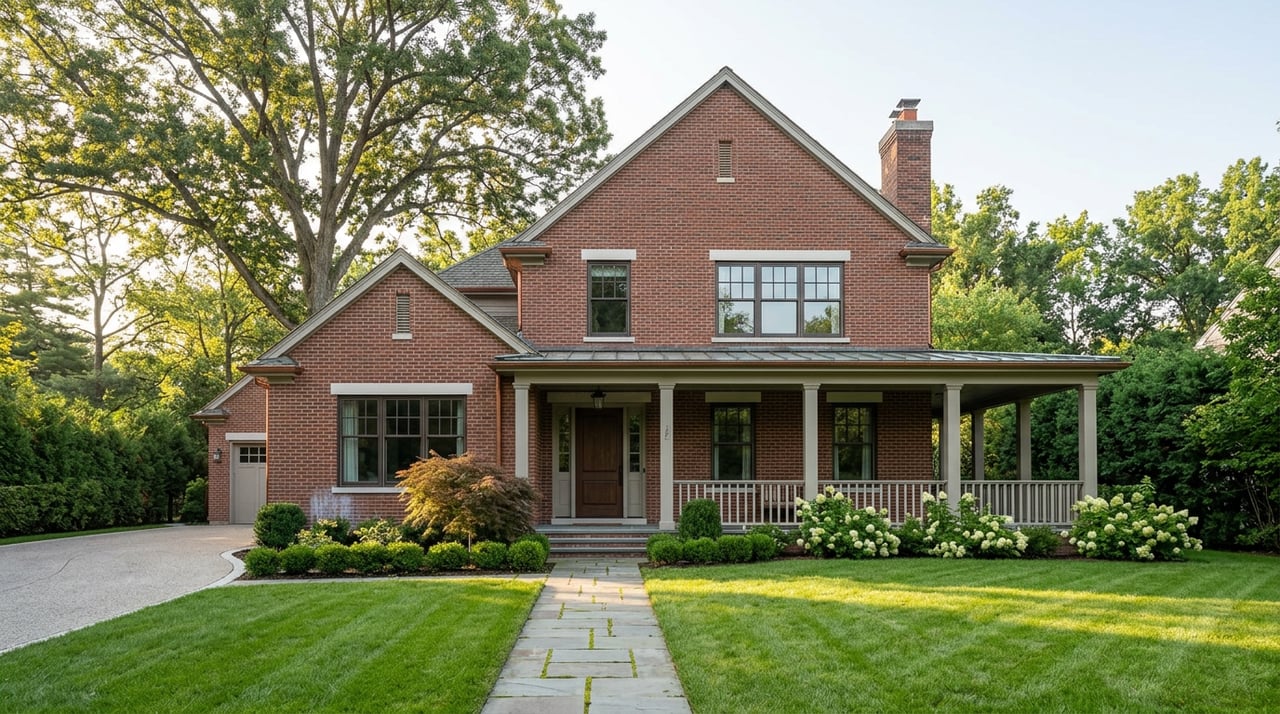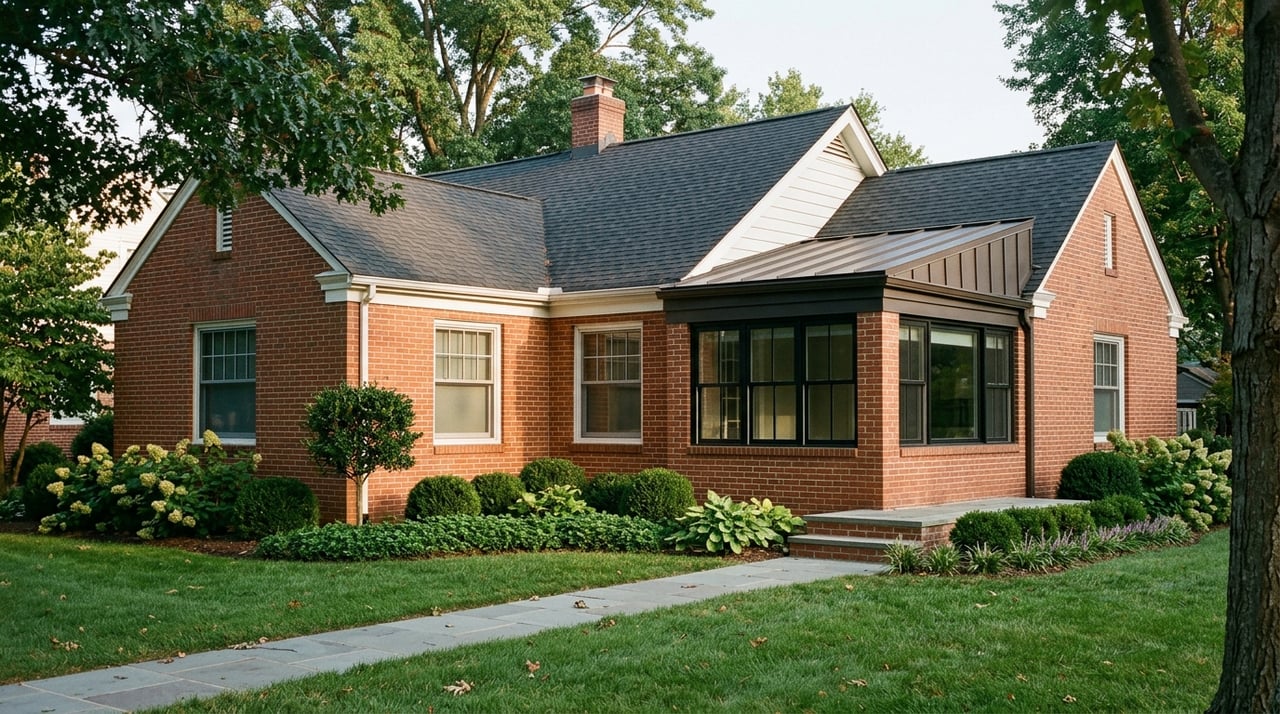
If you are deciding between a historic home and a newer home in Rockville, you are not just comparing square footage or finishes. You are also choosing between two very different living experiences in one of Montgomery County’s most established housing markets. Understanding how Rockville’s older neighborhoods differ from its newer planned communities can help you narrow your search with more confidence. Let’s dive in.
Why this choice matters in Rockville
Rockville has a wide mix of housing, with homes dating from before 1860 to properties built since 2000. That variety is unusual, and it gives buyers real choices in style, setting, and neighborhood feel.
At the same time, Rockville is a mature city with limited undeveloped land. According to the city’s housing analysis, that scarcity has pushed more growth toward redevelopment, townhouses, condos, and apartments instead of large amounts of new detached-home land.
Cost is another reason this comparison matters. Census QuickFacts reports a 2020 to 2024 median owner-occupied value of $682,300 in Rockville, with a median monthly owner cost with a mortgage of $3,035. In other words, this is generally a high-cost market whether you prefer a charming older home or a newer property in a planned community.
What older homes in Rockville offer
Older homes in Rockville often appeal to buyers who want architectural character and a more established setting. In many cases, the appeal is about the whole environment, not just the house itself.
Areas with concentrations of older homes include Rockville Park, West Montgomery Avenue, East Rockville, and Lincoln Park. These parts of the city reflect Rockville’s long history and create a streetscape that can feel distinct from newer development areas.
Historic character and varied architecture
Rockville Park was platted in 1884 and includes a long architectural range. You can find Victorian-era houses, American Foursquares, Bungalows, and Minimal Traditional homes from the 1950s.
The West Montgomery Avenue Historic District includes important pieces of late-19th-century Rockville. It features Victorian frame homes along with a few earlier mid-19th-century houses.
For you as a buyer, this often means more visual variety from one block to the next. Older homes can feel more individual because they were built across different eras instead of within a single development plan.
Established surroundings and neighborhood texture
East Rockville is a mostly residential neighborhood east of Rockville Town Center and the Rockville Metro station. Its planning guidance emphasizes the existing setback pattern, mature trees and tree canopy, and compatible transitions to single-family homes.
Lincoln Park is one of the oldest African American communities in Montgomery County, dating to the 1850s. Its conservation-district standards are intended to preserve the existing streetscape and community, with regulations focused on single-unit detached development on individual lots and limits on footprint, height, and front setbacks.
If you value mature landscaping, established street patterns, and a stronger sense of historic context, these older areas may feel especially appealing. In Rockville, older-home living is often tied to that established setting as much as the house itself.
Proximity to older civic areas
Some of Rockville’s older neighborhoods are also close to long-standing community destinations. Rockville Park was the first residential subdivision platted east of and adjacent to the B&O Railroad Station.
East Rockville includes two small commercial centers, three parks, and a historic preserve. For many buyers, that means older neighborhoods can offer a mix of neighborhood texture and practical access to parks, transit, and established local gathering areas.
What to know about historic-district rules
If you are considering a home in one of Rockville’s historic districts, it is important to understand that the property may come with added review requirements. The city states that local historic-district designation places a higher standard on maintenance, alteration, or removal of structures.
Exterior work in a local historic district is regulated by the Historic District Commission under adopted design guidelines. That does not automatically make ownership harder, but it does mean you should go in with clear expectations if you may want to change exterior elements over time.
There is also an important distinction between local historic districts and National Register properties. According to the city, National Register properties do not require Historic District Commission review for work on the property and may be eligible for historic-preservation tax credits through the Maryland Historical Trust.
Because rules can vary by property and district, it is wise to consult a licensed real estate professional and, where relevant, a historic-preservation specialist before you move forward. That step can help you understand how a home’s designation may affect your plans.
What newer homes in Rockville offer
Newer construction in Rockville tends to be concentrated in master-planned or redevelopment areas such as King Farm, Fallsgrove, Tower Oaks, and Town Center. These areas show how the city has added housing in a land-constrained market.
The city identifies these places as prime examples of recent large-scale residential projects that delivered apartments, condos, and townhouses, with only a limited number of detached homes. So if you want newer construction in Rockville, your options may be shaped as much by location and housing type as by age alone.
Planned communities and connected design
King Farm is one of the clearest examples of newer Rockville housing. Approved for redevelopment in 1995 on a former 440-acre farm, it began construction in the early 2000s and was designed as a neo-traditional community.
Its layout includes a grid street pattern, a mix of land uses and housing types, extensive sidewalks and bikeways, and connections to Shady Grove Metro. It also includes a village retail center, parks, office space, and a mix of detached homes, townhouses, apartments, and senior housing.
For buyers, that often translates into a more planned environment with built-in connectivity. If you like the idea of sidewalks, nearby services, and a neighborhood designed around multiple housing choices, this style of community may be a strong fit.
Town Center living and transit access
Town Center offers a different kind of newer-home experience. The city’s master-plan summary says most housing there was built in the 1970s or later, with 25.1 percent of units built from 2010 to 2019 and 23 percent built from 2000 to 2009.
It also notes that 78 percent of units are in structures with 20 or more homes. That tells you a lot about the housing pattern in this part of Rockville.
The Town Center plan is aimed at a vibrant, inclusive, sustainable, walkable, transit-oriented downtown core. In practical terms, living in and around Town Center is often less about private-lot character and more about density, convenience, and proximity to retail and transit.
Historic versus newer homes: key tradeoffs
In Rockville, the central tradeoff is often character versus uniformity and preservation rules versus flexibility. Neither choice is automatically better. The best fit depends on how you want to live and what matters most in your day-to-day experience.
Older homes tend to offer more individuality, older street patterns, and stronger historic context. Newer homes tend to offer newer planning, more mixed housing types, and stronger ties to transit and retail.
Because Rockville is built out and land is scarce, this contrast can feel sharper here than in some other suburbs. Much of the city’s newer housing has been created through redevelopment or larger planned communities, while many older homes remain in long-established neighborhoods with their own architectural identity.
How to decide what fits your priorities
A practical way to compare your options is to think about lifestyle fit first. Start with how you want your home and neighborhood to function, then work backward to age, style, and location.
If you care most about architectural charm, established neighborhoods, and closeness to Rockville’s older civic core, you may naturally lean toward a historic or older home. If you care most about a newer neighborhood setting, planned amenities, and transit-oriented convenience, you may lean toward newer construction.
You should also think about how much property-specific review you are comfortable with. Older or historic homes can involve more case-by-case evaluation because of their varied architecture and, in some cases, historic-district oversight.
By contrast, buyers on a tighter timeline may appreciate built-out newer communities because they are already planned and partly established. That is not a hard rule, but it can be a helpful way to frame your search.
A simple comparison at a glance
| If you value... | You may prefer... |
|---|---|
| Architectural variety | Older or historic homes |
| Mature trees and established streetscapes | Older neighborhoods |
| Historic context | Older or historic homes |
| Planned neighborhood design | Newer communities |
| Mixed housing types | Newer communities |
| Transit and retail connectivity | Town Center or similar newer areas |
| More predictable community layout | Newer planned areas |
| A distinct one-of-a-kind home feel | Older neighborhoods |
Final thoughts for Rockville buyers
Buying in Rockville often means choosing between two strong but different options. You may be drawn to the layered history of Rockville Park or East Rockville, or you may prefer the connected design of King Farm or the convenience of Town Center.
The right answer depends on your goals, your comfort with tradeoffs, and how you picture daily life. When you have a clear sense of what matters most, the decision between historic and newer homes becomes much easier.
If you want thoughtful guidance as you compare Rockville neighborhoods and home styles, Betsy Schuman Dodek offers local, concierge-level support to help you buy with clarity and confidence.
FAQs
What is the main difference between historic and newer homes in Rockville?
- In Rockville, older and historic homes often offer more architectural character, established streetscapes, and historic context, while newer homes are more often found in planned or redevelopment areas with stronger ties to transit, retail, and mixed housing types.
What neighborhoods in Rockville have more older homes?
- The research identifies Rockville Park, West Montgomery Avenue, East Rockville, and Lincoln Park as areas with concentrations of older homes and long-established neighborhood character.
What areas of Rockville have more newer housing?
- Newer housing in Rockville is concentrated in places such as King Farm, Fallsgrove, Tower Oaks, and Town Center, where development has often taken the form of master-planned or redevelopment projects.
What should buyers know about Rockville historic districts?
- In a local historic district, exterior work is regulated by Rockville’s Historic District Commission under adopted design guidelines, so buyers should understand possible review requirements before making plans for changes.
Is newer construction in Rockville mostly detached homes?
- No. The city says recent large-scale projects in Rockville have delivered many apartments, condos, and townhouses, with only a limited number of detached homes.
Is Rockville an expensive market for both older and newer homes?
- Yes. Census QuickFacts reports a 2020 to 2024 median owner-occupied value of $682,300 in Rockville, which suggests buyers should expect a generally high-cost market regardless of a home’s age.