Pull up Bethesda's housing numbers on three different sites in the same week and you'll get three different stories. One will tell you homes are moving in 22 days. Another will say 34. A third will say 49. One will put the median sale price at $1.3 million. Another will land on $1,222,500. A third will report an average home value of $1.12 million and call it something else entirely.
None of these numbers are wrong. They're just measuring different slices of a place that isn't behaving like one market. Bethesda is currently two markets wearing a single zip code, and the gap between them explains most of the confusion a buyer feels when trying to compare it to anywhere else.
The corridor where supply is exploding
Walk Wisconsin Avenue through downtown Bethesda right now and you're walking through the biggest residential building wave the corridor has seen. A recent UrbanTurf tally counted roughly 16 active projects along that stretch totaling close to 6,500 units, a scale of construction that has no precedent in the neighborhood's recent history.
Some of what's rising there right now: Hampden House, a 366-unit building going up next to the future Purple Line station at 7316 Wisconsin Avenue. The Charles, delivering 301 units at 7340 Wisconsin, sandwiched between that same future Purple Line stop and the existing Metro station. At 7155 Wisconsin, EYA is restoring the historic Farm Women's Cooperative Market building while adding new housing on the parcel and converting surface parking into public green space. And at the corner of Wisconsin and East-West Highway, a 29-story, 420-unit tower has been pitched with a pedestrian tunnel planned straight into the Bethesda Metro station, part of an assemblage acquired by MRP Realty and Prime Finance.
Even a stalled project tells the same story. At 8008 Wisconsin Ave, the Planning Board voted in March 2026 to extend the validity of a 106-unit plan through the end of the year, despite a nearby advisory committee flagging the property's rough condition earlier that winter. Developers aren't walking away from this corridor. They're asking for more time to build on it.
A few miles west, the same pattern shows up at Westbard, where Greystar broke ground this spring on roughly 200 more residential units as part of a redevelopment that will eventually bring up to 200 apartments, 101 townhomes, and about 115 senior living residences to the site of the old Westwood Shopping Center. Earlier phases there have already opened a Giant Food, Tatte Bakery & Café, and a Starbucks.
This is not one tower from one developer. It's a corridor absorbing a supply shock, unit by unit, block by block.
The neighborhoods where supply hasn't moved in decades
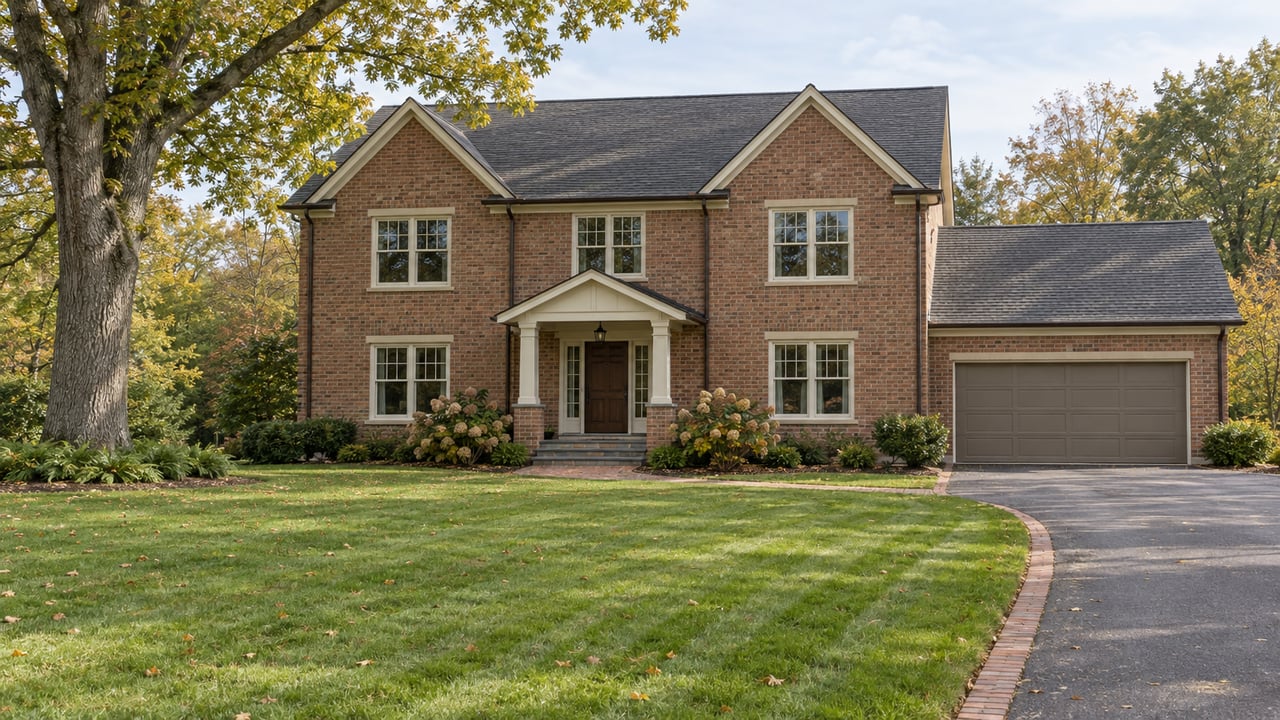
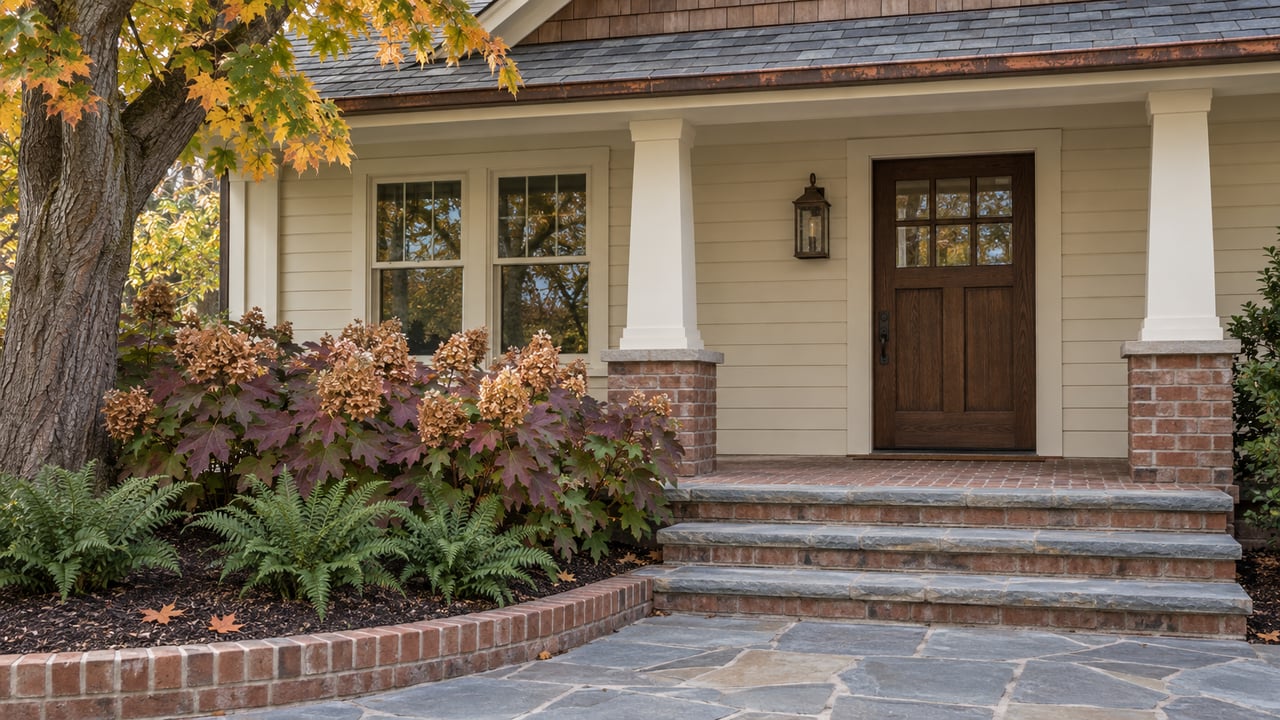
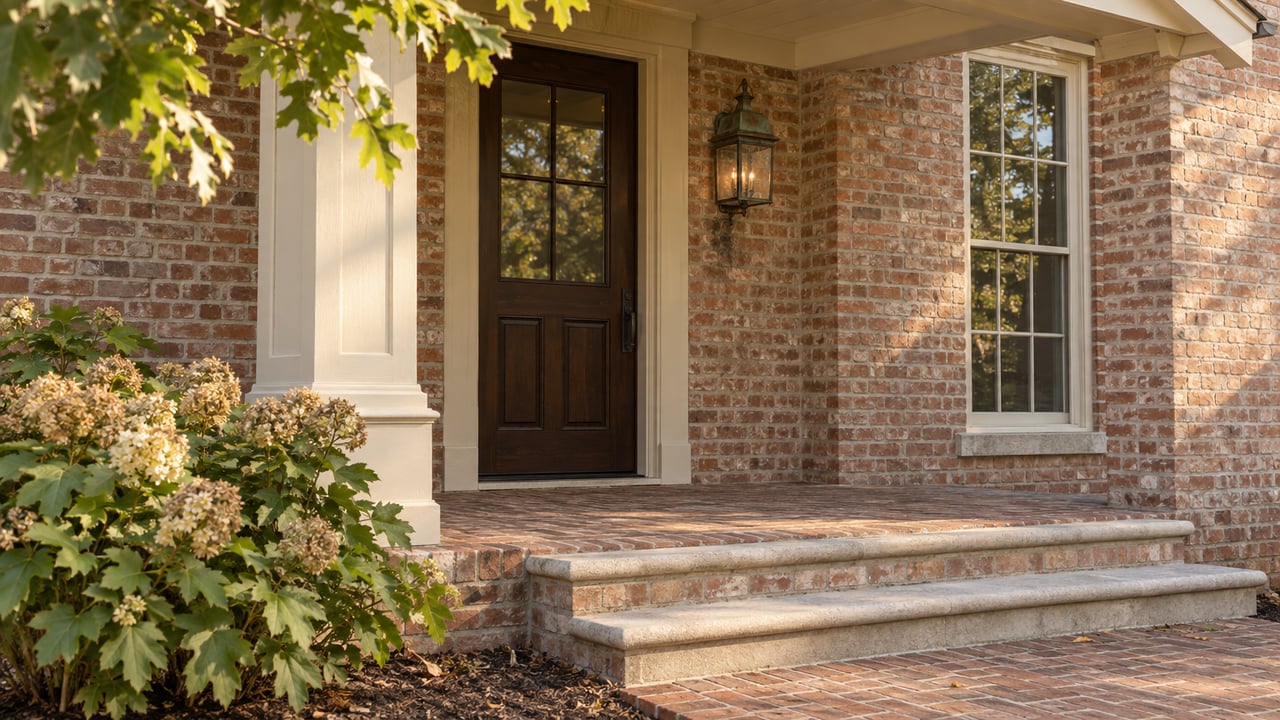
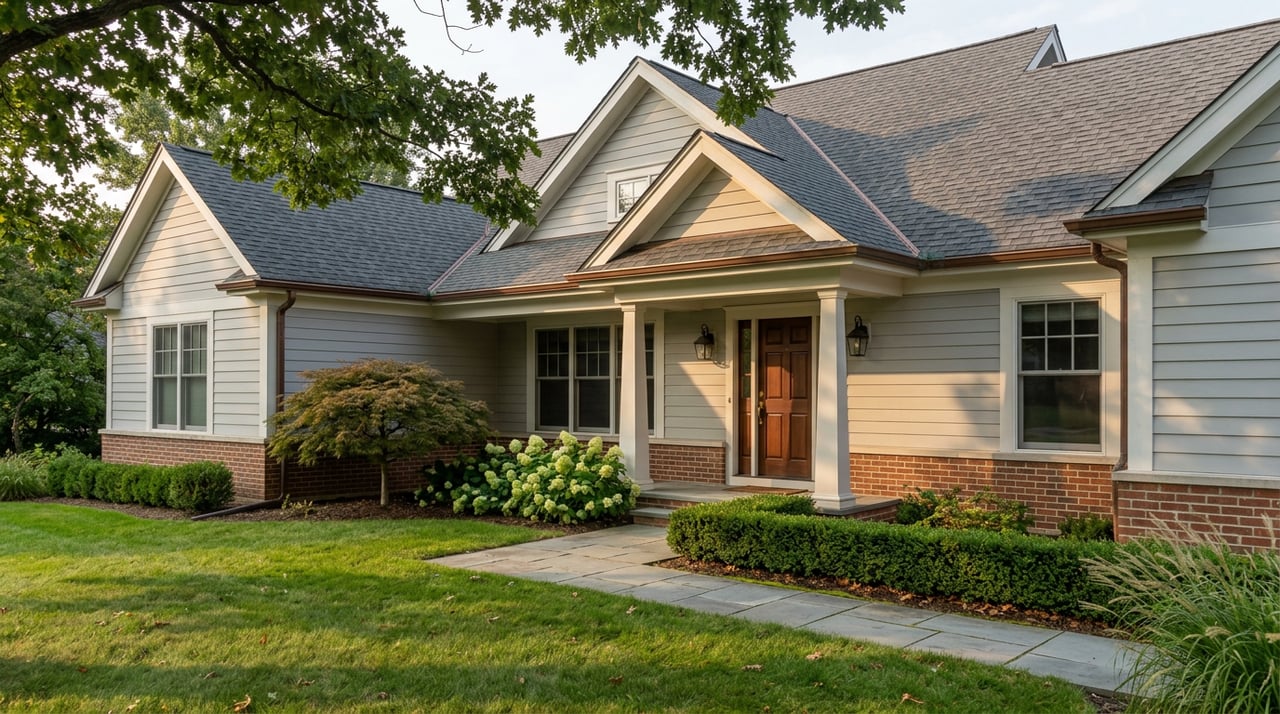
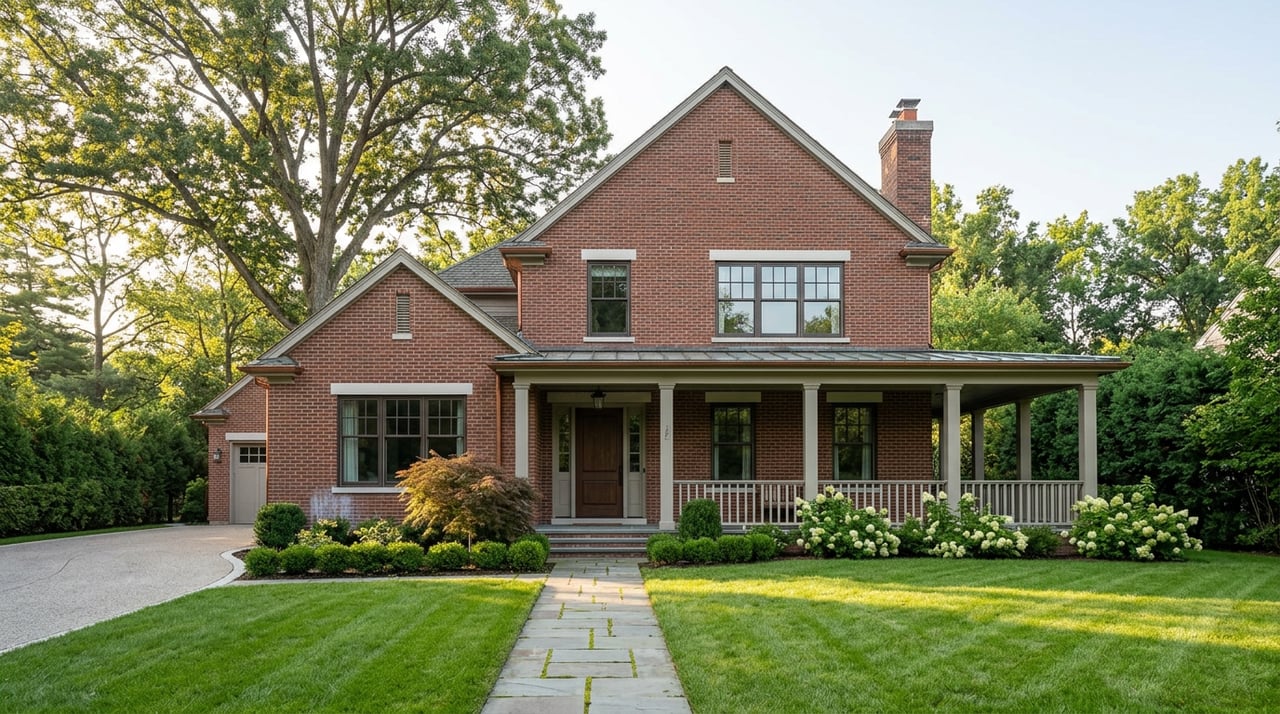
Now walk two miles in almost any direction and you land in a different Bethesda entirely. Edgemoor sits near the Chevy Chase Club with large custom homes on generous lots. Kenwood is brick colonials and Georgians under mature tree canopy. Bradley Hills borders both Burning Tree Country Club and Congressional Country Club. Burning Tree itself mixes renovated mid-century ranches with newer luxury builds on quiet streets. Woodhaven sits between River Road and Bradley Boulevard in a stretch of craftsman and colonial homes.
None of these neighborhoods have a development pipeline that resembles Wisconsin Avenue's, and for a structural reason: the lots were platted generations ago, the surrounding country clubs and established streets leave no assemblage large enough for a tower, and local zoning keeps it that way. Economists call this inelastic supply. Demand can rise all it wants. More homes don't appear on a golf-course-adjacent street just because buyers want them to.
That scarcity shows up directly in price. Where the national luxury threshold in residential real estate usually sits around $1 million, Bethesda's single-family luxury tier starts closer to $1.8 million to $2 million. Edgemoor commands the highest prices in that tier, regularly clearing $3 million and reaching past $5 million for the most exceptional lots. Kenwood typically trades between $1.8 million and $3.5 million. Bradley Hills runs roughly $1.5 million to $4 million. None of that shows up as a distinct line anywhere. It gets folded into the same citywide median as a studio at a downtown high-rise.
What the mismatch actually looks like side by side
| Segment | Supply trend in 2026 | Typical price band | What moves days on market |
|---|---|---|---|
| Downtown corridor (Wisconsin Ave high-rises and condos) | Expanding fast: roughly 16 projects, about 6,500 units in the pipeline | Condos from roughly $400,000 entry units to $2 million-plus penthouses | New inventory competing against itself; pace tracks lease-up and delivery schedules more than season |
| Single-family legacy neighborhoods (Edgemoor, Kenwood, Bradley Hills, Burning Tree, Woodhaven) | Essentially flat, no comparable land pipeline | Roughly $1.5 million to $5 million-plus | Fixed lot count means a well-priced home can clear in under three weeks while a mispriced one sits with no new competition to force a correction |
Look back at the scattered stats from the opening and the pattern lines up. As of a March 2026 read, roughly a third of Bethesda sales were closing above asking, with a sale-to-list ratio near 101 percent and only about 2.5 months of supply citywide. That kind of pricing power looks a lot more like the single-family pocket than the downtown corridor, where hundreds of new units are hitting the market in the same stretch of months. Meanwhile the DOM figures that ranged from 22 days to 49 days across different sources are, at least in part, a function of which segment each source's sample happened to weight more heavily that month.
Why this matters if you're comparing Bethesda to somewhere else
If you're cross-shopping Bethesda against another Montgomery County suburb using the headline median, you're not comparing like for like unless you specify which Bethesda you mean. A buyer eyeing a $1.6 million colonial in Bradley Hills should largely ignore the citywide days-on-market average and instead look at how comparable homes in that specific pocket have actually moved. A buyer competing for a two-bedroom near Bethesda Row, going up against a leasing pipeline measured in the hundreds of units, is playing a different game with different leverage than someone bidding on a Kenwood Georgian with no new supply anywhere nearby.
The same logic runs in reverse for sellers. If you own a single-family home in one of these legacy neighborhoods, the citywide inventory number understates your actual leverage, because it's diluted by a corridor absorbing its own separate wave of new units. Your comparable set is your street and your neighborhood's recent closings, not the aggregate Bethesda figure a portal spits out.
A few questions worth asking before you act
Does the downtown building boom eventually lower prices in neighborhoods like Edgemoor or Kenwood? Not directly. The zoning and lot constraints that keep those neighborhoods from adding supply also keep them fairly insulated from what happens on Wisconsin Avenue. Their pricing responds to their own inventory, not the corridor's.
Will the Purple Line change any of this? It's a live factor for the downtown segment specifically. Construction has been running through 2026 with stations planned to connect directly into buildings like Hampden House and The Charles. Its effect on golf-course-adjacent single-family streets a mile or two away is a much longer and less direct story.
How do I know which segment a listing I'm considering actually belongs to? Look at the building type and the block, not the zip code. A high-rise unit within a few blocks of Wisconsin Avenue is playing by corridor rules. A detached home on a legacy street with no visible construction nearby is playing by a different set entirely.
Bethesda's median price will keep making headlines as a single number. The more useful question, for anyone actually about to write an offer or sign a listing agreement, is which of the two Bethesdas that number is quietly averaging away.
If you're trying to figure out where your own home or your next purchase actually sits in this split market, The Schuman Team can walk you through the comparable sales for your specific block, not the citywide blend. Reach out to get your home's value assessed against the neighborhood that actually sets it.
This article is general information, not legal, tax or financial advice. Consult a qualified professional about your situation.