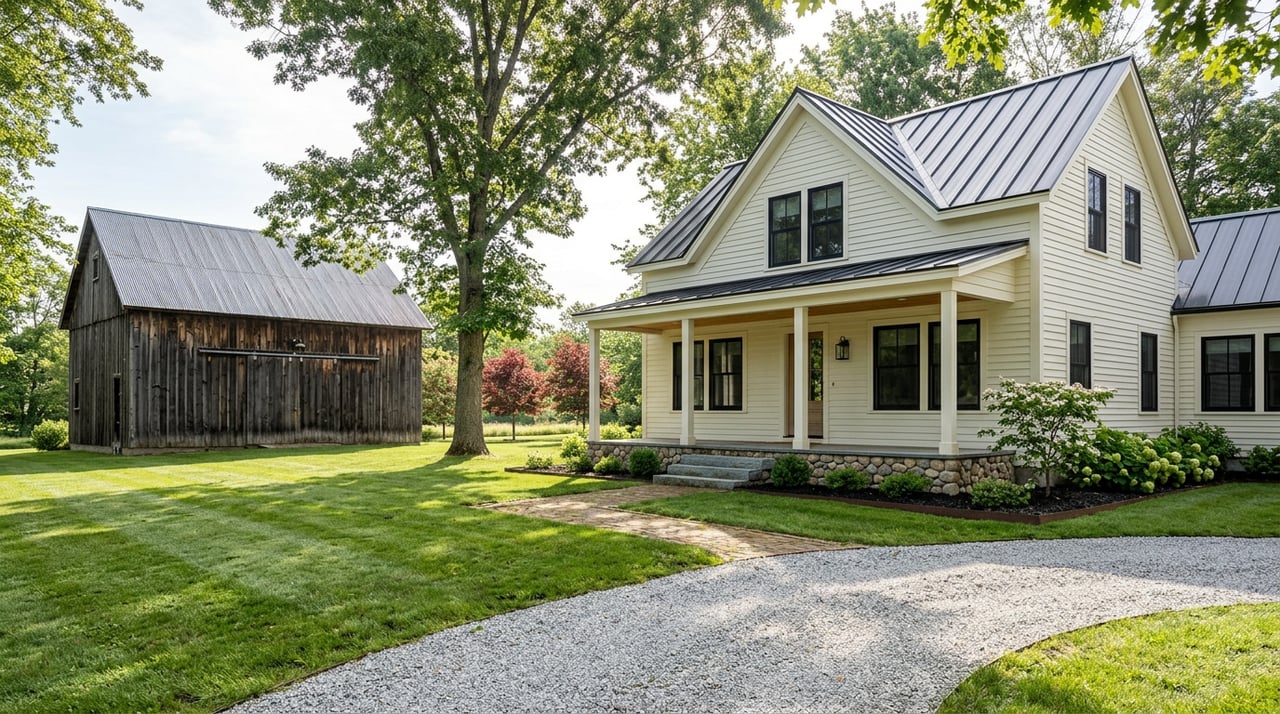
Picture this: crisp mornings, open skies, and space for gardens, animals, or a future barn just an hour or so from the DC core. If you’re eyeing acreage or a small farm in Washington County, Maryland, you’re smart to ask different questions than you would for a typical suburban home. Rural purchases involve wells, septic, zoning, farm structures, and access details that can make or break your plans.
This guide walks you through the essentials so you can tour, bid, and close with confidence. You’ll learn what’s allowed, which permits matter, where hidden costs show up, and how to structure due diligence that protects you. Let’s dive in.
Why Washington County appeals to farmettes
You’ll find a county that actively supports agriculture and preserves open land. Washington County reports more than 42,000 acres permanently preserved through state and local programs, which helps maintain a rural feel in many areas and can shape what you can do with a property over time. See the county’s overview of preservation programs and easements for context and records on specific parcels. Explore Washington County’s land preservation programs.
Agriculture is part of daily life here, including livestock operations. That can mean normal farm sounds and odors in rural neighborhoods. Knowing this upfront helps you choose the right setting for your goals while respecting nearby working farms.
If you plan to farm, Maryland’s use-value (agricultural) assessment may reduce property taxes on actively farmed land compared to market-value assessment. Eligibility and filing are handled at the state and county level. Review Maryland’s agricultural assessment process.
Zoning, animals, and outbuildings
Agriculture is recognized across many county zoning districts, but the details matter. Structure size, setbacks, and animal counts are governed by county rules. Before you build or bring animals on site, review the county’s current guidance and plan for any required applications.
- Building permits are typically required when you create, enlarge, or alter a structure. The county explains plot plans, plan submissions, and health approvals for wells and septic in its homeowner guide. See the building-permit procedures.
- Some farm structures can proceed with an Agricultural Structure Certificate rather than a standard building permit. Setbacks and definitions apply, and structures that house animals may trigger additional requirements. Review the Agricultural Structure Certificate policy.
- Animal keeping has its own rules. Depending on zoning and animal numbers, you may need a waste-management plan or exemption letter, a scaled plot plan showing setbacks, and building plans. Roosters and intensive operations have specific limits. Check the Animal Husbandry brochure for your zoning.
The practical takeaway: what you can do is usually possible if you plan ahead. Confirm setbacks and approvals early so your coop, barn, or fencing ends up in the right place the first time.
Wells, septic, and water service
Many rural parcels rely on a private well and on-site septic. Before any new dwelling is occupied, the Health Department requires percolation testing, well siting, and septic permits. The county’s building-permit guide explains how perc tests and Health Department reviews fit into the overall process. Read the homeowner permit guide.
Ask the seller for existing well logs, past perc results, and septic permits or repair history. If records are missing, plan to include testing and system approvals as contingencies. The Health Department publishes required setbacks for wells and septic. Confirm the specific distances for the parcel you’re considering to avoid surprises on buildable area.
Budget realistically. Consumer estimates suggest a drilled well can run in the low-thousands to several thousand dollars, and septic installations or replacements can range from a few thousand to well over $20,000 depending on system type and site conditions. Use these figures only for planning and get site-specific bids. Some septic upgrades may qualify for grant help through state programs. See consumer cost ranges and contact local contractors for quotes.
Public water and sewer exist in parts of the county and in towns. Always confirm service boundaries and connection requirements with the Washington County Department of Water Quality or the City of Hagerstown before you assume a hookup is available.
Access, soils, and floodplain
If you plan a new driveway entrance onto a county road, you’ll need an entrance permit. Typical conditions include sight-distance verification, drainage control, a base coat before occupancy, and a performance bond or cash-in-lieu. Fees and bond amounts are published and can change, so verify current requirements. Review the county’s entrance permit conditions.
Soils affect almost everything: crop choices, pasture performance, erosion risk, and septic suitability. Pull a soils report for the exact parcel early in your search. The NRCS Web Soil Survey is the primary map resource used by county and extension offices. Run NRCS Web Soil Survey for the parcel.
Many low-lying parcels or creek valleys fall in regulated flood zones. Washington County enforces a floodplain program tied to FEMA Flood Insurance Rate Maps. Check maps for any parcel you’re considering and ask about permits and restricted building envelopes. Start with the county’s floodplain program.
Environmental rules and farm plans
If you plan to operate commercially, Maryland nutrient-management rules may apply. A nutrient-management plan is required for operations that gross at least 2,500 dollars annually or produce at least the livestock equivalent of 8,000 pounds live weight. Confirm whether a plan exists for the property and ask for recent Annual Implementation Reports if required. Learn about nutrient-management plans.
Maryland and Washington County also provide Right-to-Farm protections that can limit nuisance claims against ongoing agricultural operations that comply with law and have operated for a qualifying period. These protections do not override environmental or public-health rules, but they set expectations for rural living. Understand Maryland’s Right-to-Farm framework.
Local animal-husbandry rules work alongside these standards. If you plan to keep hens, goats, or other animals beyond minimal numbers, plan for waste-management documentation and scaled site plans before you move animals on site. Check the county’s animal-husbandry requirements.
Easements, preservation, and financing
Conservation easements are common in Washington County. Parcels preserved through the Maryland Agricultural Land Preservation Program, Rural Legacy, or other programs typically show easement restrictions on title that can limit future subdivision or development permanently. If preservation is part of your long-term vision, programs may also offer tax benefits. Explore county preservation programs and easements.
If you are a beginning farmer, Washington County coordinates with MARBIDCO programs like Next Gen and SANG that can help with down payments in exchange for an easement option. Many buyers also consider USDA, Farm Credit, or other agriculture-specific lending for land and working capital. University of Maryland Extension offers resources and referrals for getting started. Browse farm establishment resources.
Pre-offer due-diligence checklist
Use this checklist before you make an offer or write it into your contingencies:
- Confirm zoning and allowed uses. Ask Planning & Zoning for a zoning verification letter and the relevant ordinance sections for animal husbandry and agricultural structures. Access the county document repository.
- Gather well and septic records. Request perc test reports, well logs, and Health Department permits or repair history from the seller. If missing, include testing and approvals as contingencies. See the homeowner permit guide.
- Check parcel soils early. Run NRCS Web Soil Survey and, if needed, consult local experts for interpretation. Open NRCS Web Soil Survey.
- Screen for floodplain limits. Review FEMA/county flood maps and ask county engineering about permits or restricted building envelopes. Start with the floodplain program.
- Verify utilities and broadband. Confirm public water/sewer availability. Identify likely electric and gas providers. Check broadband options; Antietam Broadband serves many rural addresses, but coverage varies by road.
- Search for recorded easements. Order a title search for conservation or utility easements. Call the county Land Preservation Office to ask if the parcel has participated in MALPP, Rural Legacy, or similar programs. See preservation programs.
- Plan for animals and structures. Review the animal-husbandry brochure and agricultural-structure policy. Map setbacks for coops, sheds, and barns and line up any needed waste-management plans. Animal husbandry requirements and agricultural-structure policy.
- Confirm driveway access. If you need a new entrance, review the permit conditions, expected fees, and bonding requirements. Entrance permit conditions.
- Budget site-specific costs. Get local bids for well drilling, septic installation or upgrade, driveway construction, and grading or erosion control. Some septic upgrades may qualify for grants. Use consumer ranges as a starting point.
- Explore tax assessment options. If you will actively farm, review Maryland’s agricultural use-value assessment and deadlines. Maryland agricultural assessment overview.
What this means for your search
Buying acreage in Washington County is doable and rewarding when you approach it like a small project. Confirm water and septic early, map setbacks before you site a barn or coop, check for easements, and budget for access and site work. A bit of homework today protects your plans for tomorrow.
If you want calm, experienced guidance from first tour to closing, we’re here to help you navigate the details and connect you with the right local resources. For a thoughtful, concierge approach to your land or farmette search, reach out to Betsy Schuman Dodek.
FAQs
What should I know before buying a farmette in Washington County?
- Agriculture is widely supported, but animals, structures, and setbacks are regulated. Review county guidance, screen soils and floodplain maps, and include well and septic approvals in your contingencies.
How are animals regulated on small acreage in Washington County?
- Animal counts, setbacks, and waste-management documentation are outlined in the county’s animal-husbandry brochure. Larger or animal-housing structures may need additional approvals.
Can I build a barn without a full building permit?
- Some agricultural structures can proceed with an Agricultural Structure Certificate if they meet definitions and setbacks. Structures that house animals may trigger added requirements.
How do perc tests and septic approvals work for rural parcels?
- The Health Department oversees percolation testing, septic design, and well siting for unsewered lots. Ask for existing records and include testing and approvals as contract contingencies.
What do driveway entrance permits require in Washington County?
- New entrances onto county roads generally require a permit with sight-distance, drainage, base-coat, and bonding conditions. Verify current fees and timelines before you plan construction.
Do I need a nutrient-management plan for a small farm?
- If your operation grosses at least 2,500 dollars annually or produces at least the livestock equivalent of 8,000 pounds live weight, Maryland requires a nutrient-management plan.
Are there tax benefits for land used for agriculture?
- Maryland’s use-value agricultural assessment can reduce taxes on qualifying farmland compared to market value. Review eligibility, filing deadlines, and conversion rules with the state.